
Saavira Kambada Basadi
A thousand pillars, and the claim locally is that no two are carved alike.
Speciality
Moodabidri is called the Jain Varanasi of the south, and almost no coastal itinerary includes it.
- Founded
- 15th century
- Deity
- Chandranatha
- Tradition
- Jain
Don’t miss
The pillars
The local claim is that no two are identical. Give yourself time to test it rather than photographing the hall and leaving.
The rest of Moodabidri
The town holds a cluster of basadis, not just this one.
The Jain circuit
Karkala, Varanga and Venur complete it. Two days, and almost nobody does it.
Near this place
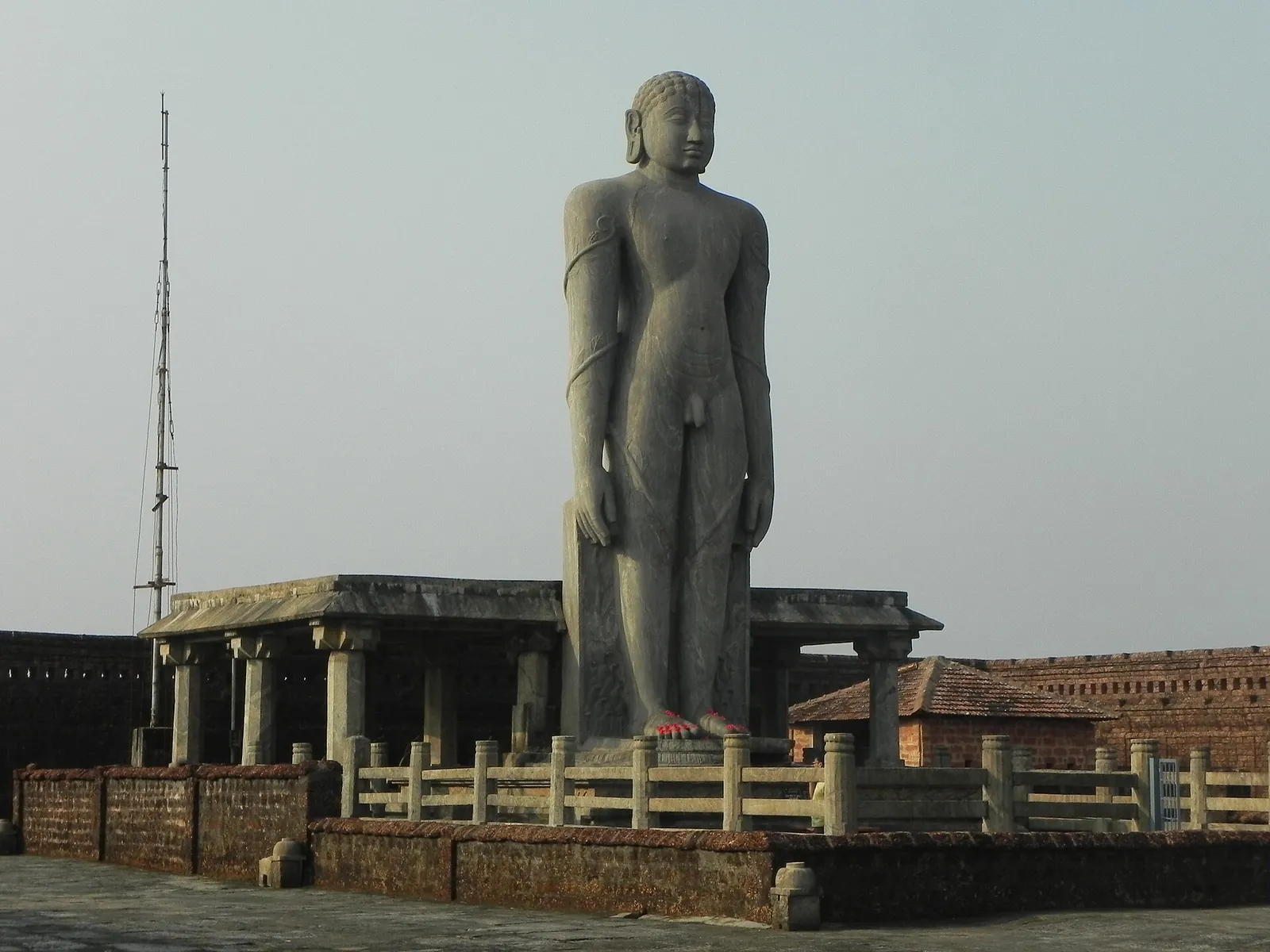 Gommateshwara, Karkala
Basadi, 16 km away
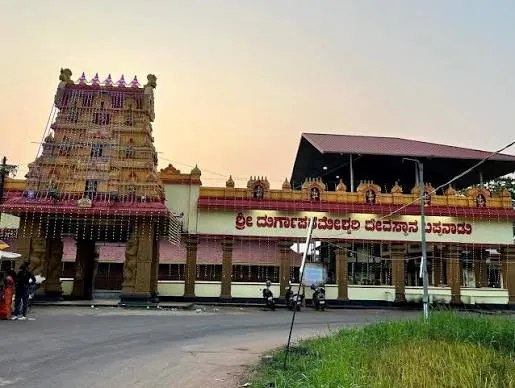 Bappanadu Durgaparameshwari
Temple, 23 km away
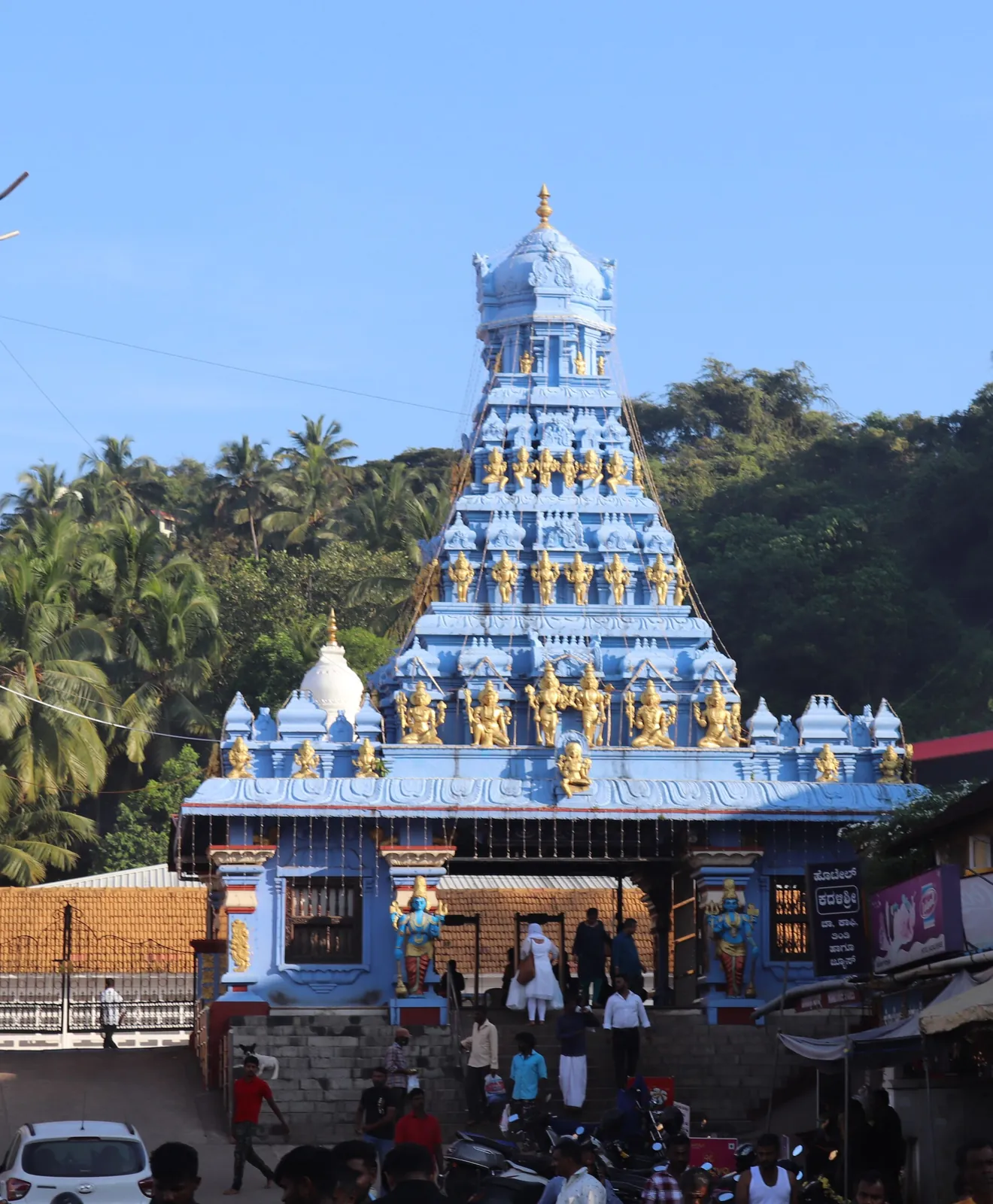 Kadri Manjunatha
Temple, 25 km away
History
Its formal name is the Tribhuvana Tilaka Chudamani Basadi; everyone calls it the thousand-pillar temple. It is the largest and most ornate of the Jain temples of this region, and the deity of its sanctum is Chandranatha.
Sources attribute it to Devaraya Wodeyar of Vijayanagara and place it in 1430, or more loosely in the fifteenth century. The exact year should be checked against scholarship rather than against travel listings, which repeat one another.
Moodabidri itself is the reason to come. It is called the Jain Varanasi of the south, and it anchors a Jain landscape that runs through Karkala, Varanga and Venur: monoliths, lake temples, and basadis with carving that has no equivalent in the Hindu temples a few kilometres away.
A note on language, because it matters here: this is a basadi, not a temple. The distinction is not pedantry on this coast, and collapsing it is the quickest way to tell a local reader that you are writing from a search engine.
Plan your visit
- Where
- Moodabidri
- District
- Dakshina Kannada
- From you
- Not shared
Good to know
- Anna Prasadam
- Not yet verified. Please ask locally.
- Dress code
- Not yet verified. Please ask locally.
- Photography
- Not yet verified. Please ask locally.
Poojas and timings
Not yet verified. We publish a schedule only after confirming it with the temple office. Schedules on this coast change on festival days, and a wrong one can cost a family a long drive, so please check locally before you travel.
Best time to visit
Dry season. The carving rewards a long slow look, which is unpleasant in monsoon humidity.
Get directions in Google MapsSources
- MoodabidriWikipedia
- Thousand Pillars TempleKarnataka Tourism
Most English-language writing on these places is travel and devotional material that repeats itself. Where sources disagree we say so, and where something is tradition rather than record we say that too.